About the Capstone Museum
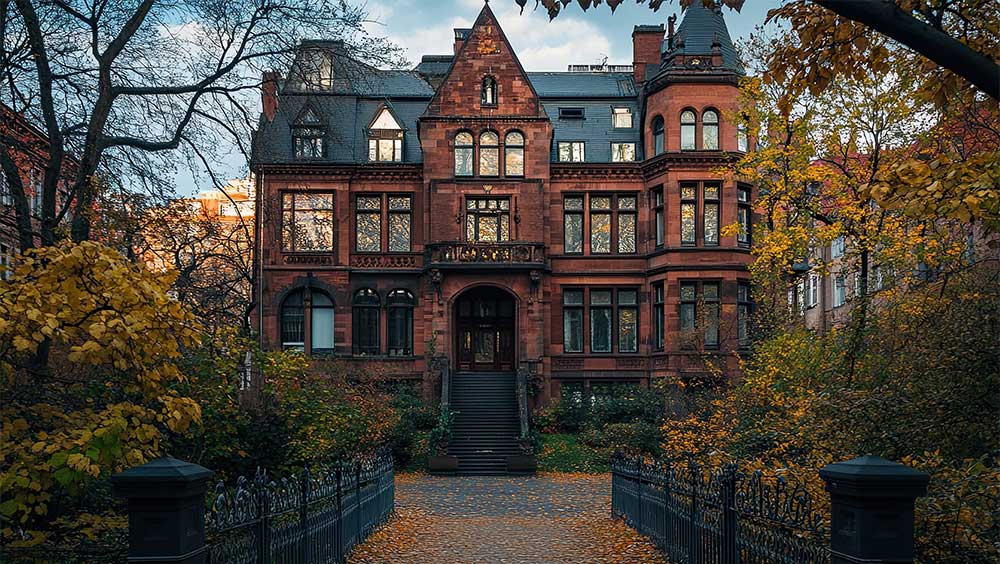
Tucked along a quiet stretch of Chicago’s historic district, the Capstone Museum stands as both a preserved relic of the city’s Gilded Age and a testament to one student’s vision. What was once a long-abandoned mansion—its grandeur hidden beneath years of neglect—has been transformed into a space where history, architecture, and storytelling converge.
The Story of Robert Peel
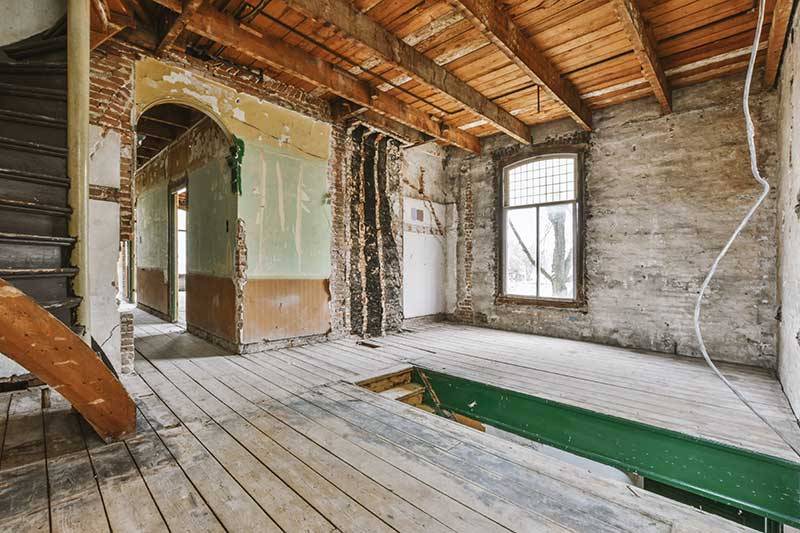
Robert Peel first encountered the mansion as a student of architecture at the Illinois Institute of Technology. Passing it daily, he became increasingly drawn to its structure—its ornate detailing still visible beneath decay—and equally troubled by its deterioration.
Driven by a deep appreciation for historic architecture and a personal connection to the past, Robert began organizing a fundraising effort among his peers and faculty. With their support—and a promise to dedicate the restoration as his capstone project—he acquired the property in 2004.
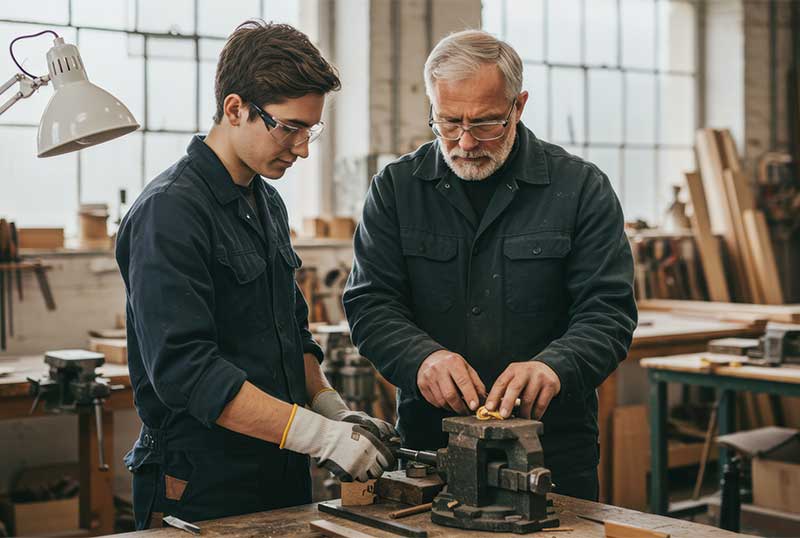
Working alongside his father, Michael—known to most as Mike—a lifelong carpenter with a sharp eye for detail, Robert began the slow and careful process of bringing the mansion back to life. While Robert focused on preservation and design, Michael’s craftsmanship ensured that every restored element remained true to the building’s original character.
A Hidden History
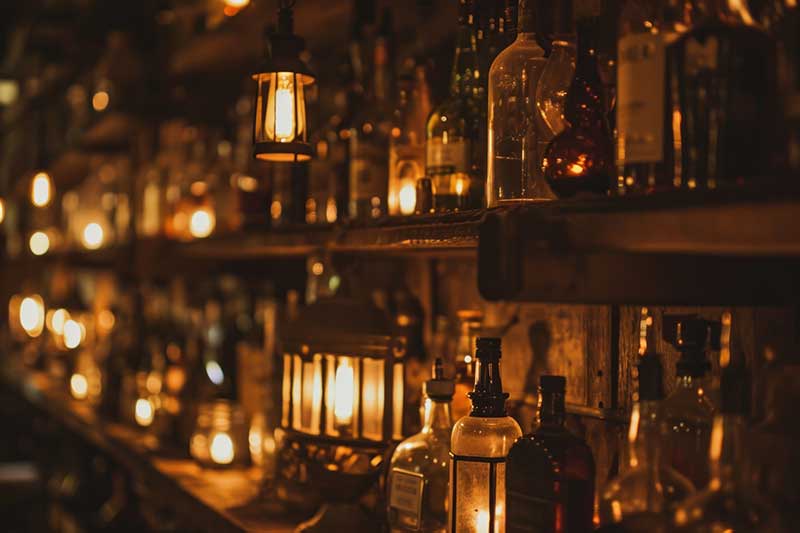
During the early stages of restoration, Robert uncovered concealed passageways and sealed rooms hidden within the mansion’s walls. Among these discoveries was a preserved Prohibition-era speakeasy—complete with original fixtures and remnants of a long-forgotten social world.
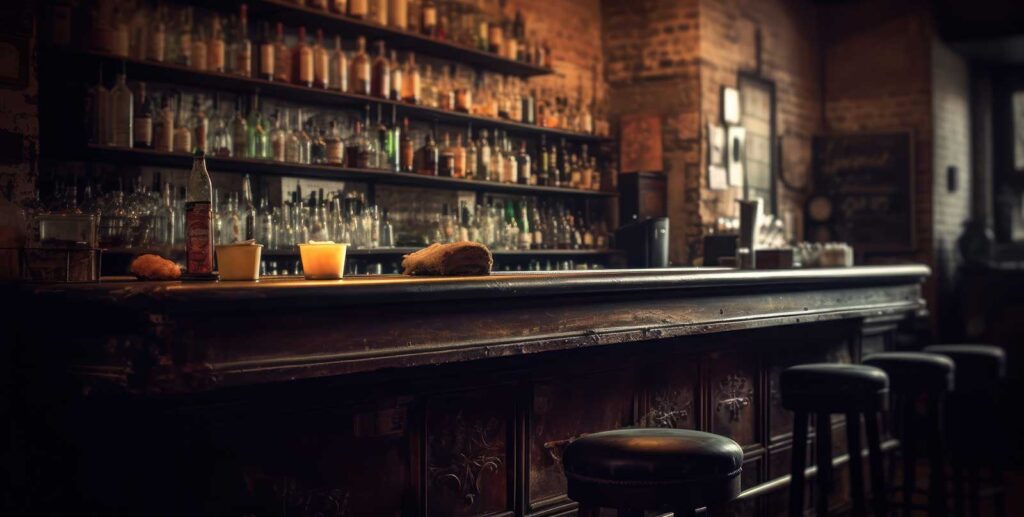
While the building’s origins remain uncertain, speculation continues to surround its past, with rumors of ties to Chicago’s underground during the Prohibition era.
Today, these discoveries form the foundation of one of the museum’s most intriguing experiences.

Designed for Everyone
At the heart of the Capstone Museum is a commitment to accessibility.
Robert’s mother, Lorraine—a retired history teacher and a constant source of inspiration—played a central role in shaping the design of the restored space. Ensuring she could experience every detail of the home, Robert made accessibility a guiding principle throughout the renovation.

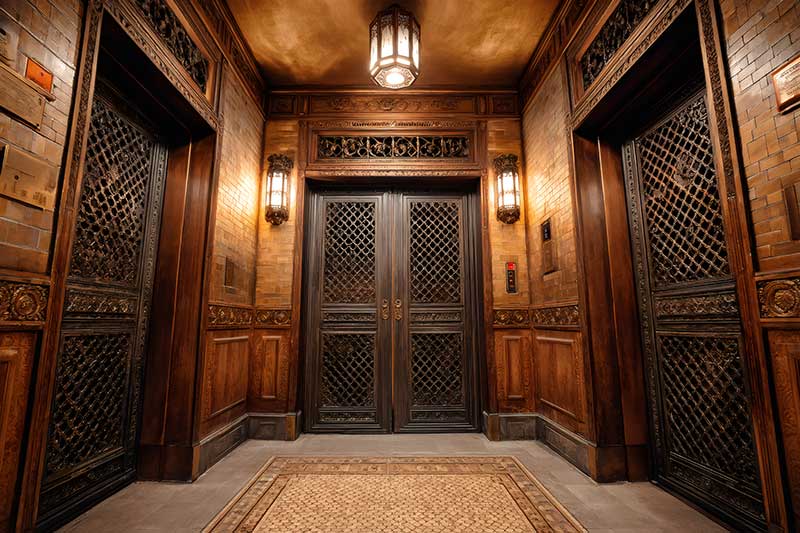
Today, every room, corridor, and exhibit has been thoughtfully adapted so that visitors of all abilities can explore the museum without limitation.
Lorraine remains closely connected to the museum and is known to visit during the winter season, when the house is decorated for the holidays. Each year, Robert continues a quiet tradition—placing a gift beneath the tree just for her.
A Living Capstone
Though officially completed in 2018, the Capstone Museum continues to evolve.
The project has since become a collaborative space for students whose fields intersect with the building’s history—from architecture and preservation to design and historical research. What began as a single capstone project has grown into a living, ongoing exploration of Chicago’s past.
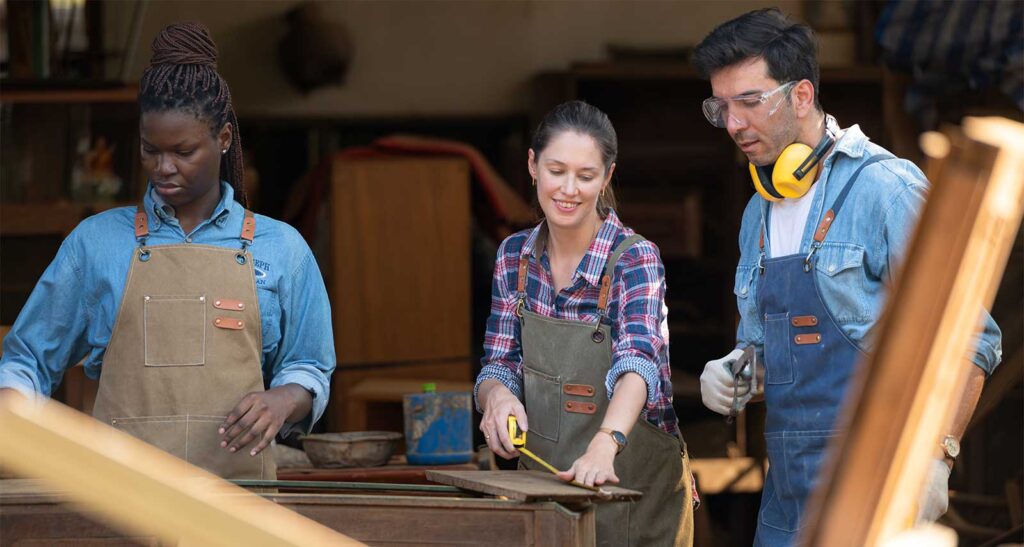
Today, the museum invites visitors to step into a layered narrative—one that blends documented history with lingering mystery, and craftsmanship with care.
Every detail, from the restored woodwork to the hidden rooms below, reflects not only the legacy of the building itself, but the dedication of those who chose to preserve it.